Words: Mike Ryan
Photos: Harley-Davidson
While Harley-Davidson’s Street 500 is now just a memory, it can’t be overstated how important that model was to the brand's presence in Australia. For years, the LAMS-legal model was Harley-Davidson’s best seller here, and no doubt a gateway for Harley newcomers to step up to the brand’s bigger models.
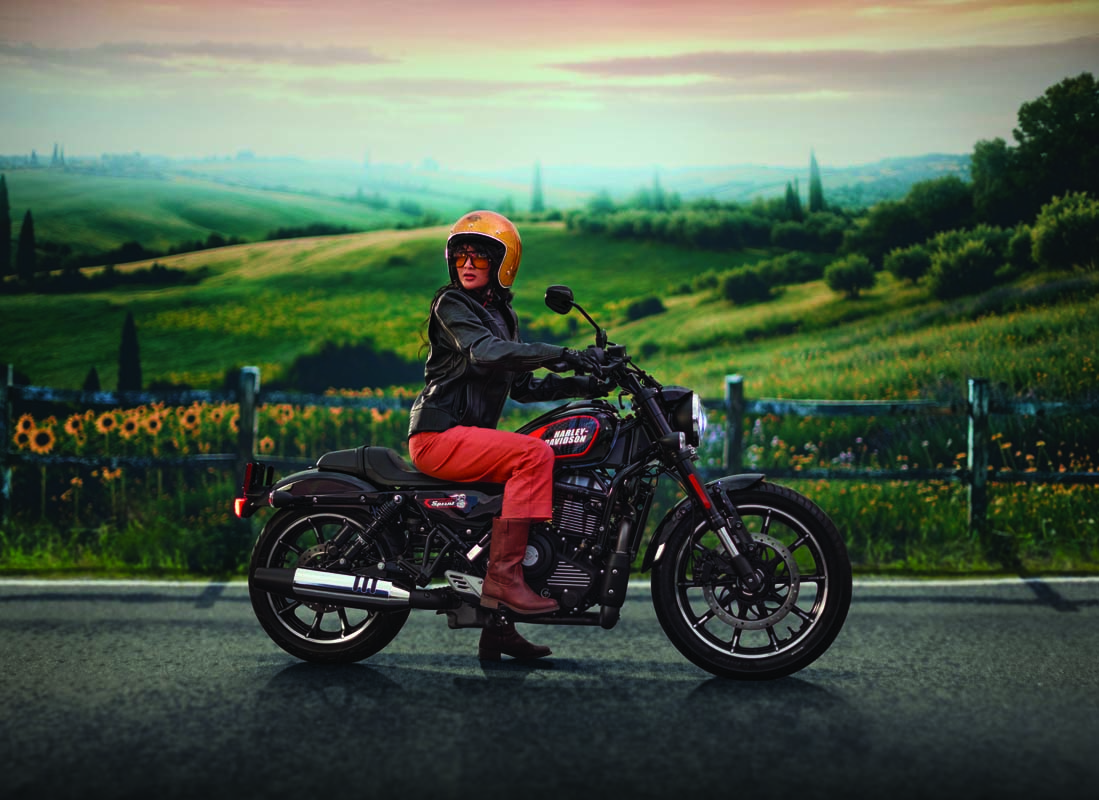
Harley-Davidson may have a similar winner on their hands with the ‘Sprint 440’
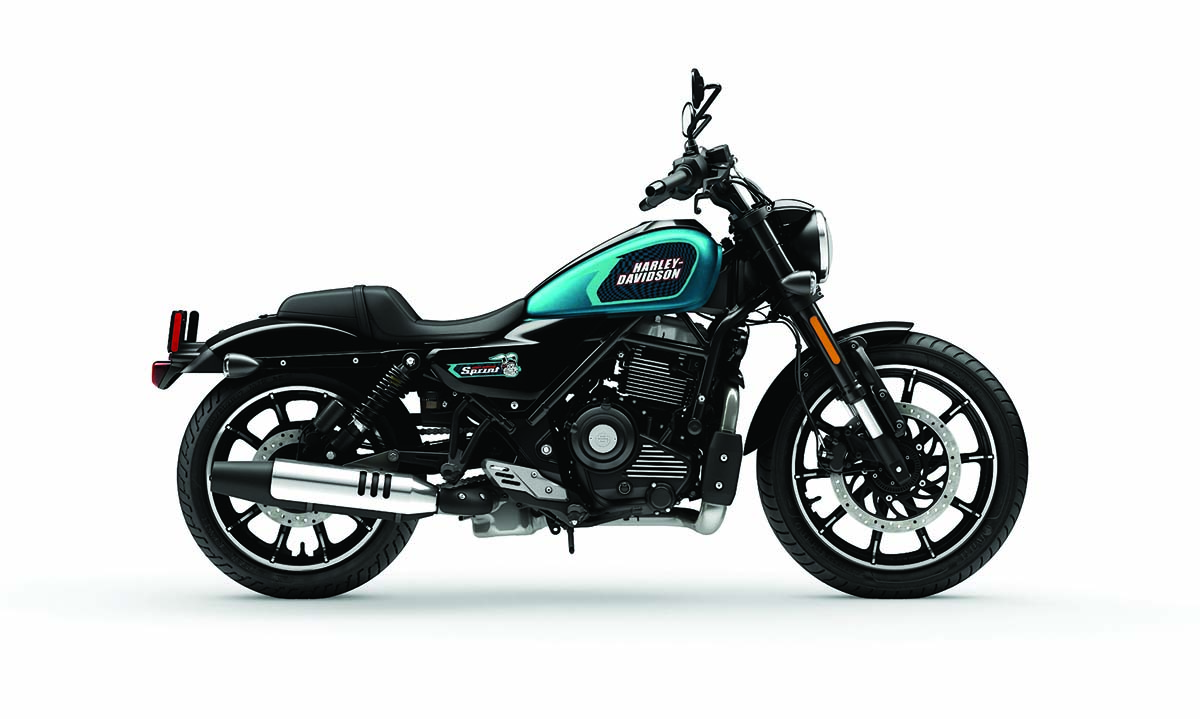
Making its public debut at EICMA in November, the Sprint 440 is a new motorcycle with two historical touch points. The name comes from a model that Harley-Davidson first offered in the 1960s, while the machine itself draws on a more recent release, specifically the Indian-market ‘X 440’ that launched in mid-2023.
Development, engineering and production of that 440cc single were led by Hero MotoCorp in India, with minimal involvement from Harley-Davidson. That was fine for a model only intended for India, but after Harley-Davidson announced their plans to take the 440 to global markets, including Australia, they’ve comprehensively reworked the 440 platform to make it more “Harley”. That includes final assembly at The Motor Company’s facility in York, Pennsylvania.
“The new Harley-Davidson Sprint 440 model is our invitation to ride,” said Artie Starrs, Harley-Davidson President & Chief Executive Officer.
“It’s an ideal motorcycle for a variety of riders -- the new rider who wants to build skills and confidence, but also a great option for returning riders who want to get back on the road or as an uncomplicated and fun ride for experienced riders. The sensation of riding a motorcycle is like flying without leaving the ground, and the Harley-Davidson Sprint 440 model welcomes everyone to share in this experience.”
ORIGINAL SPRINT
The first Harley-Davidson to wear the Sprint name was launched in 1961, and like the latest version, was a small-displacement single sourced from an outside manufacturer. That manufacturer was Aermacchi, of whom Harley-Davidson had bought a 50 per cent stake in 1960.
The initial Aermacchi Harley was the ‘Model C Sprint,’ which was a version of the Italian manufacturer’s ‘Ala Verde’ that had been released in 1957. A 246cc air-cooled four-stroke single, the Sprint’s distinctive horizontal engine position ensured maximum airflow. Producing 18hp (13kW), the engine was matched to a four-speed transmission and chain final drive.
“Italian” features on the Sprint included a nearside kicker and one-up, three-down shift pattern. Hydraulic forks and a dual-shock swingarm rear were standard, along with brightly-coloured tinware, chrome accents and a two-piece seat.
A year after the Model C launched, a ‘Model H Sprint’ was added, defined by a more powerful 21hp (15kW) engine, smaller fuel tank, high-mount exhaust and larger wheels. This would be rebadged as the Model H Scrambler from 1964.
A revision of the 246cc single in 1967 saw the Sprint gain an ‘SS’ (for Street Scrambler) suffix to its model name, but output was the same 21hp/15kW as before. More significant change was to come in 1969, when the same engine had its bore and stroke increased to take capacity to 342cc. Replacing the Sprint 250 SS, the resulting model was called the ‘SS-350’ and produced 25hp (19kW), although the transmission, suspension, brakes and cycle parts were unchanged from the Model H Sprint.
The final evolution of the Sprint saw a ‘SX 350’ variant added in 1971. This leaned heavily into the scrambler aesthetic, with knobby tyres, raised mudguards, high-mount exhaust and a wider, braced handlebar. Production of both the SS 350 and SX 350 ended in 1974 as Harley-Davidson moved away from small capacity singles to focus on their Big Twins.
Sportster Inspired Styling
For their new millennium take on the Sprint, Harley-Davidson hasn’t looked back 65 years to the original, but to more recent history in the final air-cooled (pre-RevMax) Sportsters from five years ago.
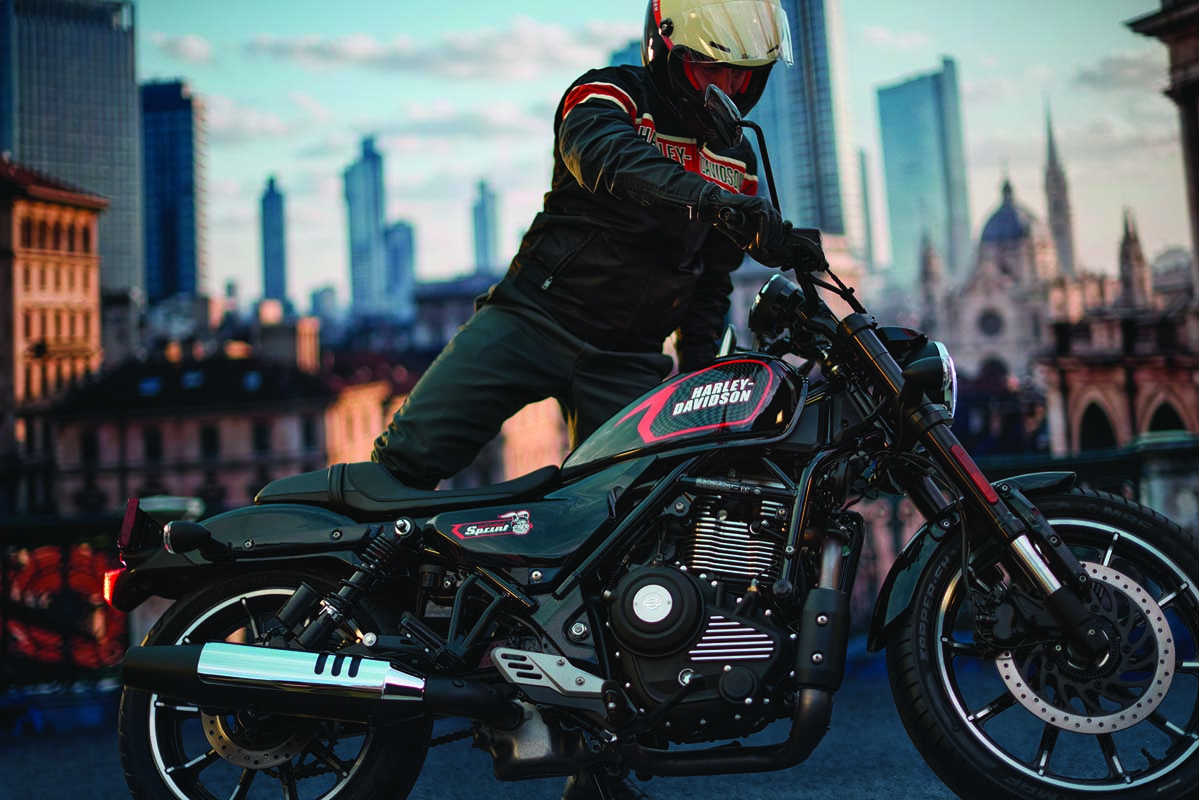
Seen alongside the X 440, the Sprint 440’s differences are obvious, bringing a genuine – and more genuinely Harley - cruiser look to the platform. Overseas reporting says that Harley made changes to almost two thirds of the X 440, mechanically and cosmetically, to create the Sprint 440.
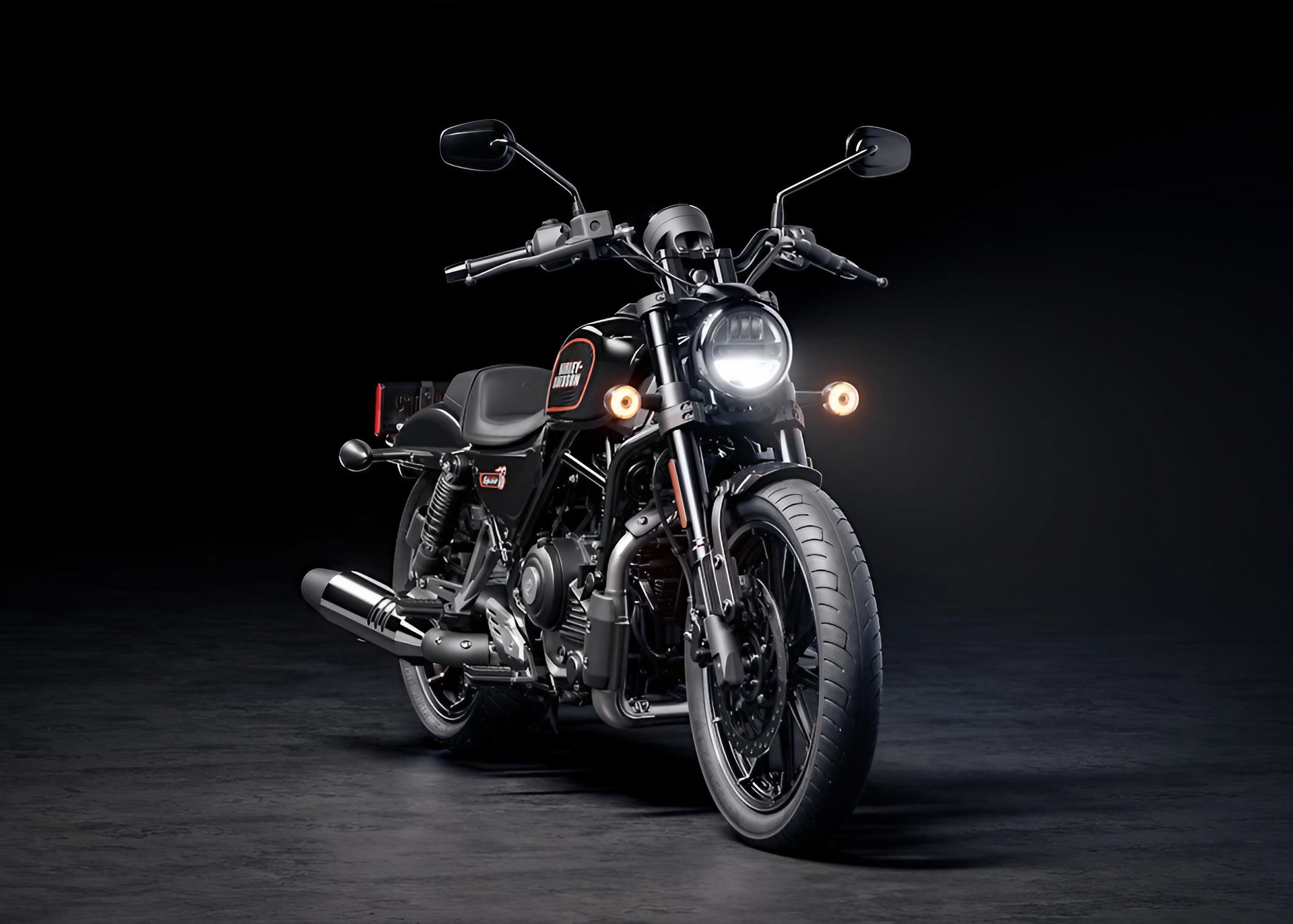
“The fork rake, suspension height, wheel and tyre sizes combine to present a cruiser stance that is pure Harley-Davidson,” said Harley-Davidson Head of Design Bjorn Shuster. “The suspended headlamp, fuel tank shape, bobbed rear fender and fastback saddle are familiar Harley-Davidson design elements. The level of detail is what you’d expect from any Harley-Davidson model.”
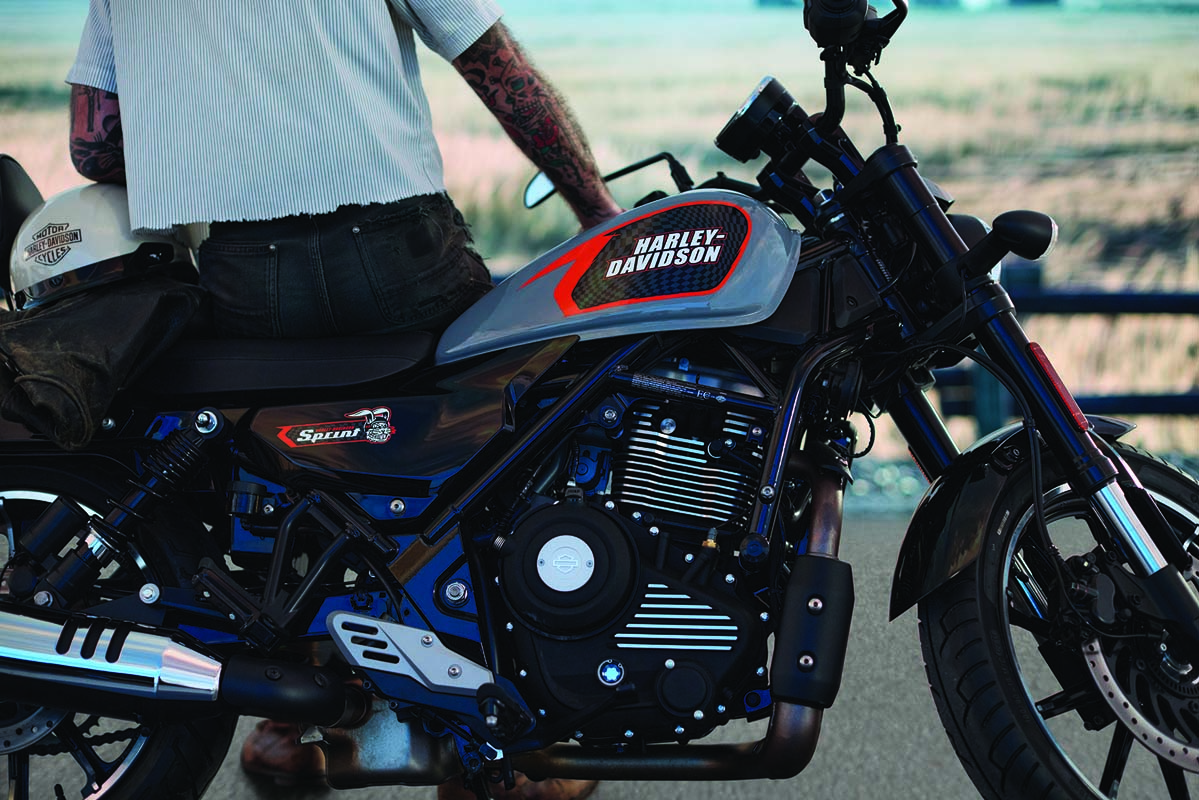
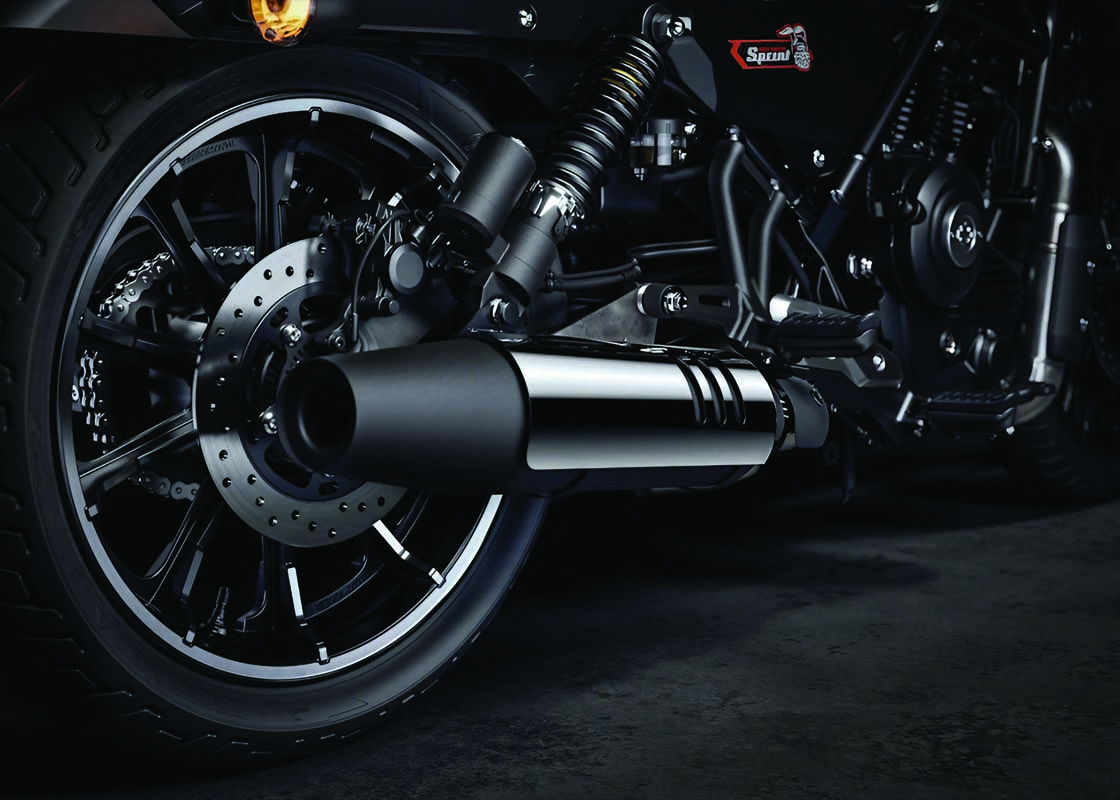
The Sportster aesthetic can be seen in the peanut tank, handlebars, seat, mudguards and 10-spoke wheels, which have machined accents. The wheel package is also Sportster-like with a 19-inch front and 17-inch rear. This contrasts with the X 440, which runs an 18/17-inch wheel combo.
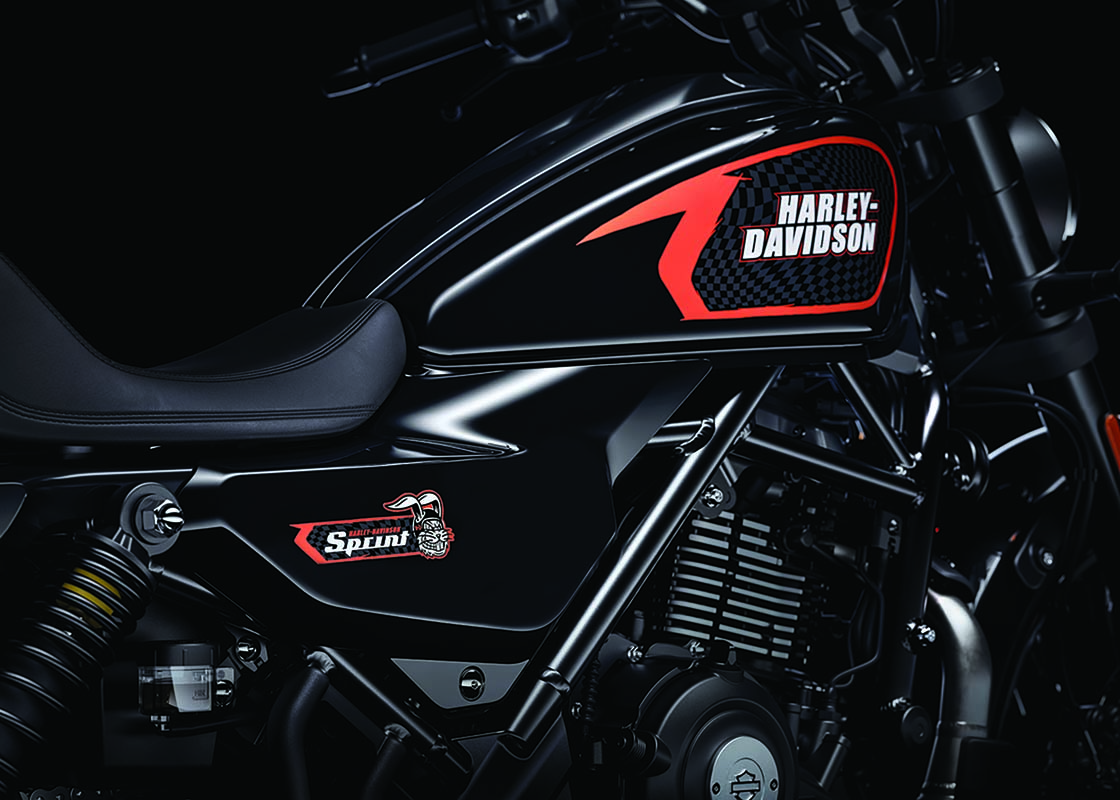
Harley-Davidson branding is bolder and more “youthful” than the current Big Twins, with a “Harley Hare” graphic added to the sidecovers. While this seems to have been inspired by the logo of the ‘Fast Johnny’ Enthusiast Collection from 2023, Harley hasn’t said as much, instead stating the Harley Hare represents “the quickness, agility and fun” that riders will experience on the Sprint 440.
Colour choices for the Australian market will be Dark Billiard Grey, Vivid Black and Teal Thunder, all of which are familiar from Harley’s current Cruiser and Touring lines.
Learner Friendly
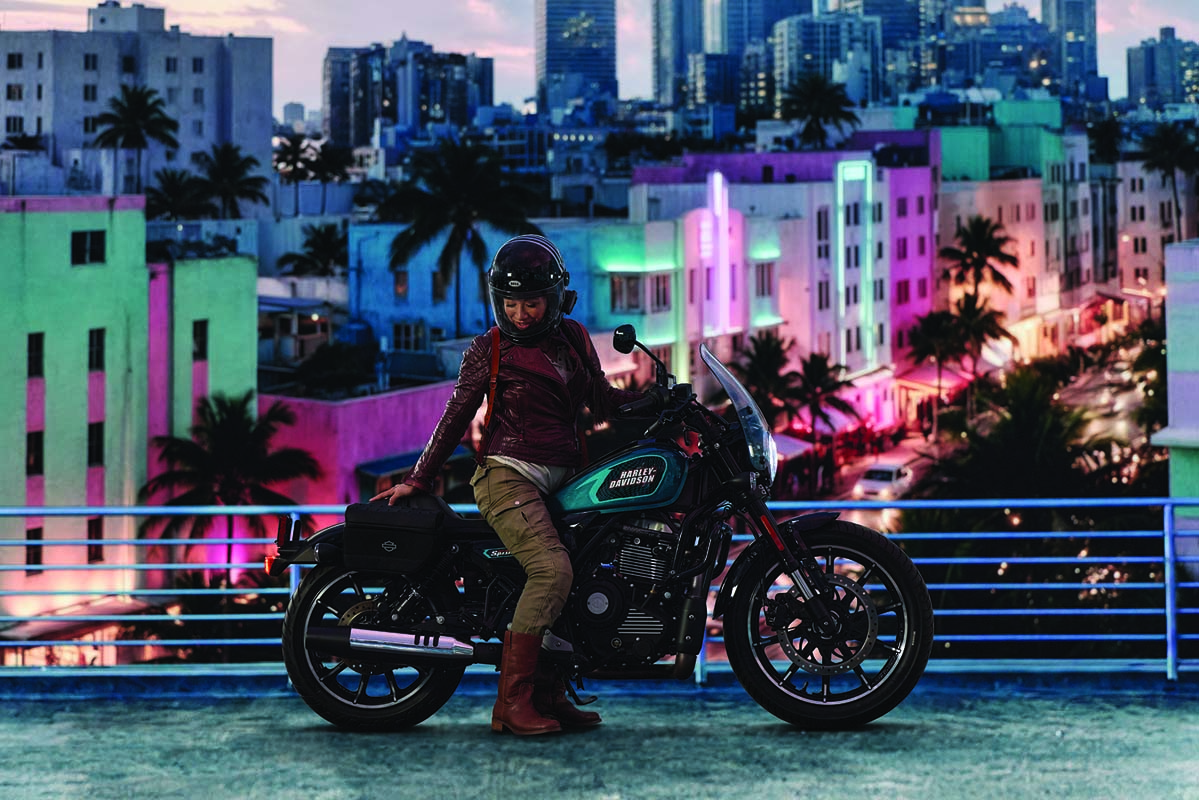
Perhaps the biggest selling point for the Sprint 440 is its seat height. At just 683mm, the standard seat is significantly lower than most bikes of similar capacity in the LAMS market and will allow almost all riders to sit flat-footed at a stop. A tapered front to this supportive, two-up seat, along with the Sprint 440’s narrow profile, should further ensure confidence for the learner rider. Mid-mount pegs are standard, and the handlebars have a minimal pull-back, ensuring a relaxed, neutral riding position.
To suit those who want a higher seat, this will be optionally available, along with other accessories that include a windshield, flatter handlebars, saddlebags, sissy bar and cosmetic add-ons. Down the track, forward controls, pull-back handlebars and other options inspired by the big Harley cruisers may be added, too.
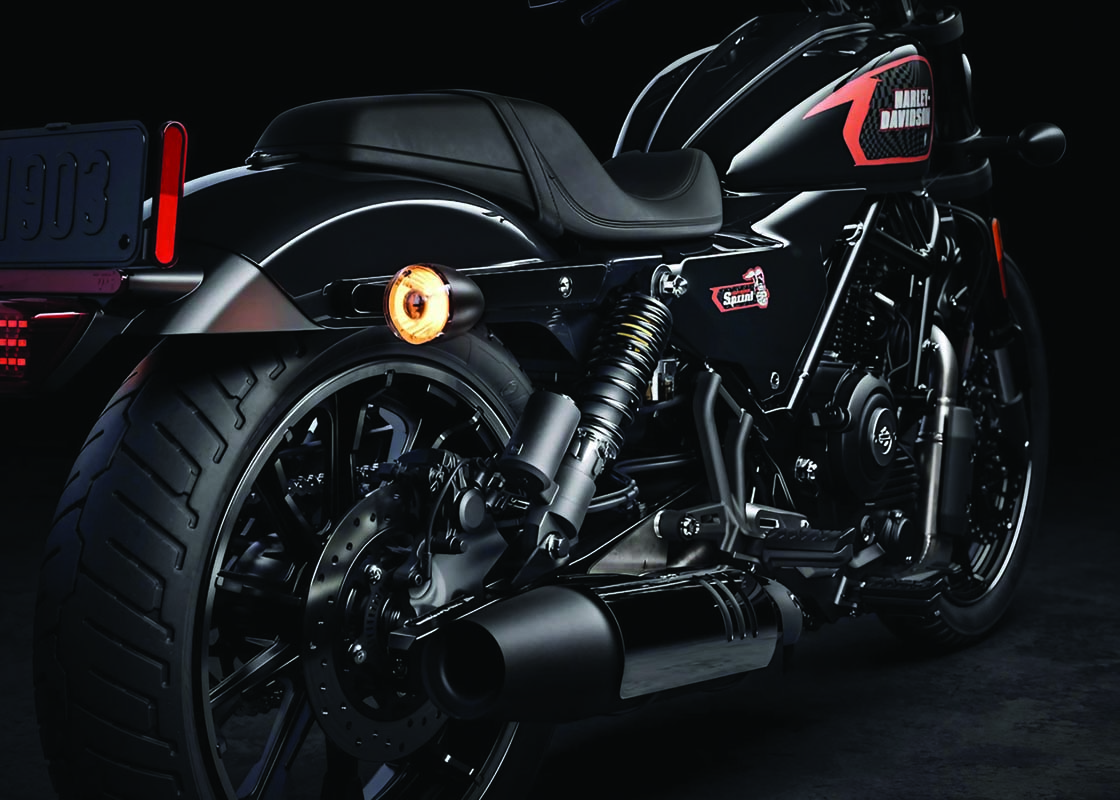
To further appeal to learner riders, a slip/assist clutch is standard, with the switchgear in “logical and easy-to-use locations”. The wet weight of 187kg is reasonable for the Sprint 440’s capacity, and only slightly more than some 350cc offerings in the LAMS market. It’s also worth noting that the Sprint 440 is 7.5kg lighter than the X 440 it’s based on, despite the deliberate choice of using metal for the guards, and braided steel instead of rubber brake lines.
Single Power
At the heart of the Sprint 440 is an air/oil-cooled single of 440cc capacity, with a 9.65:1 compression ratio, EFI and gear-driven counter-balancer to reduce vibration. A long stroke of 88.4mm (bore is 79.6mm) ensures abundant torque for stop-start urban riding.
Listed outputs of 27hp and 28lb/ft (20kW and 38Nm) from this SOHC 2-valve engine are unchanged from the X 440, but the Sprint 440 has its own distinctive exhaust note. This was a particular focus by Harley’s R&D team during the model’s development.
Fuel capacity is 9.0 litres and the listed fuel economy is 2.9lt/100km (or 34km/litre).
A six-speed transmission features the aforementioned slip/assist clutch, along with overdrive ratios on the fifth and sixth gears to improve fuel economy and reduce engine rpm at highway speeds. Chain final drive completes the drivetrain.
Top speed isn’t listed, but that’s not what Harleys are about anyway. Overseas testing suggests 125+km/h is achievable, so highway riding won’t be a problem. Wind buffeting will become a factor at that speed, though.
Simple, but Usable
The Sprint 440’s suspension and braking is on par with other offerings in the LAMS market – nothing too advanced or radical. USD 43mm telescopic forks and twin rear shocks with remote reservoirs are standard fare, with seven-step preload adjustability on the latter. Front travel is 130mm, but the trade-off for that ultra-low seat height is rear travel of only 76mm.
Braking uses single discs at each end – 320mm and 240mm – with a two-piston caliper up front, single-piston caliper at the rear, and the mandatory dual-channel ABS. The 19- and 17-inch alloy wheels are fitted with 100/90-19 and 150/60ZR17 tyres.
Adding more tech, like lean sensitive ABS, cruise control, traction control, etc., would negatively impact the price, which will be a Sprint 440 selling point (more on that below).
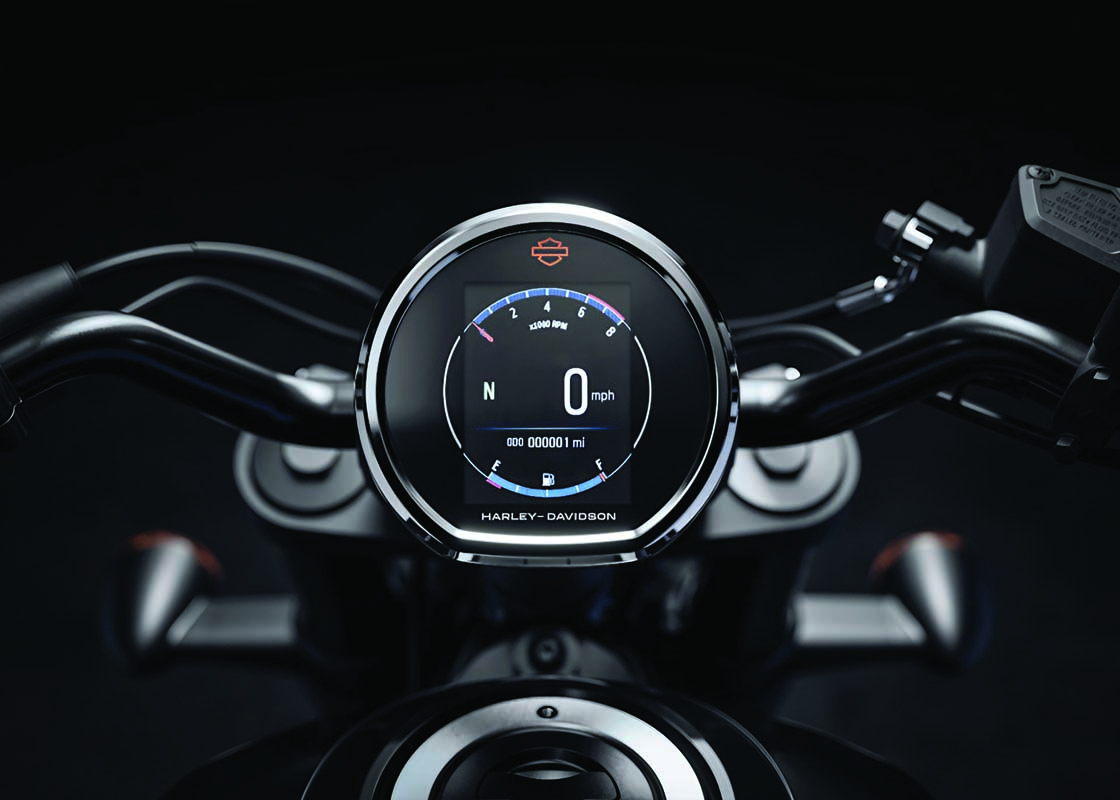
Again with costs in mind for LAMS riders, the Sprint 440 keeps tech to a minimum. There’s a neat colour TFT instrument display, in a 3.5-inch (89mm) round shell, displaying all the essential info and warning lights. A USB-C charging port is standard, and all the lighting is LED.
Australian Release and Pricing
Following its debut at EICMA, the Sprint 440 will go on sale in the US before the middle of 2027, with other markets to follow. Australian release has been confirmed, but not a release date. Sometime in late 2027 is likely.
Currently listed on the Harley-Davidson Australia website, the Sprint 440 pricing of $10,440 (+ ORCs) should translate to somewhere around $11,500 ride away. That’s not much more than the Street 500, which was $9,995 ride away before it was axed in 2020.
While Harley’s X 350 and X 500 LAMS models remain in the Australian catalogue for now, response to the Sprint will determine if these models survive in the future.
Watch this space for more on the Sprint 440 as local release draws nearer.