Organised by the BSA Motorcycle Owner’s Association (BSAMOA), the All British Rally (ABR) is an annual three-day event that’s the largest gathering of British motorcycles in the Southern Hemisphere. This year, there were more than 800 entries, which was close to a record turnout. This was despite the fuel crisis caused by the US-Iran war, and predictions of poor weather, which ultimately proved to be unfounded.
Held from 24-26 April, this year’s ABR was once again based at Newstead Racecourse, with organised rides to allow owners to exercise their machines, plus a public display in nearby Maldon. Back at the racecourse, there were campfires, food, beer brewed specially for the event, and a live band to add to the atmosphere.
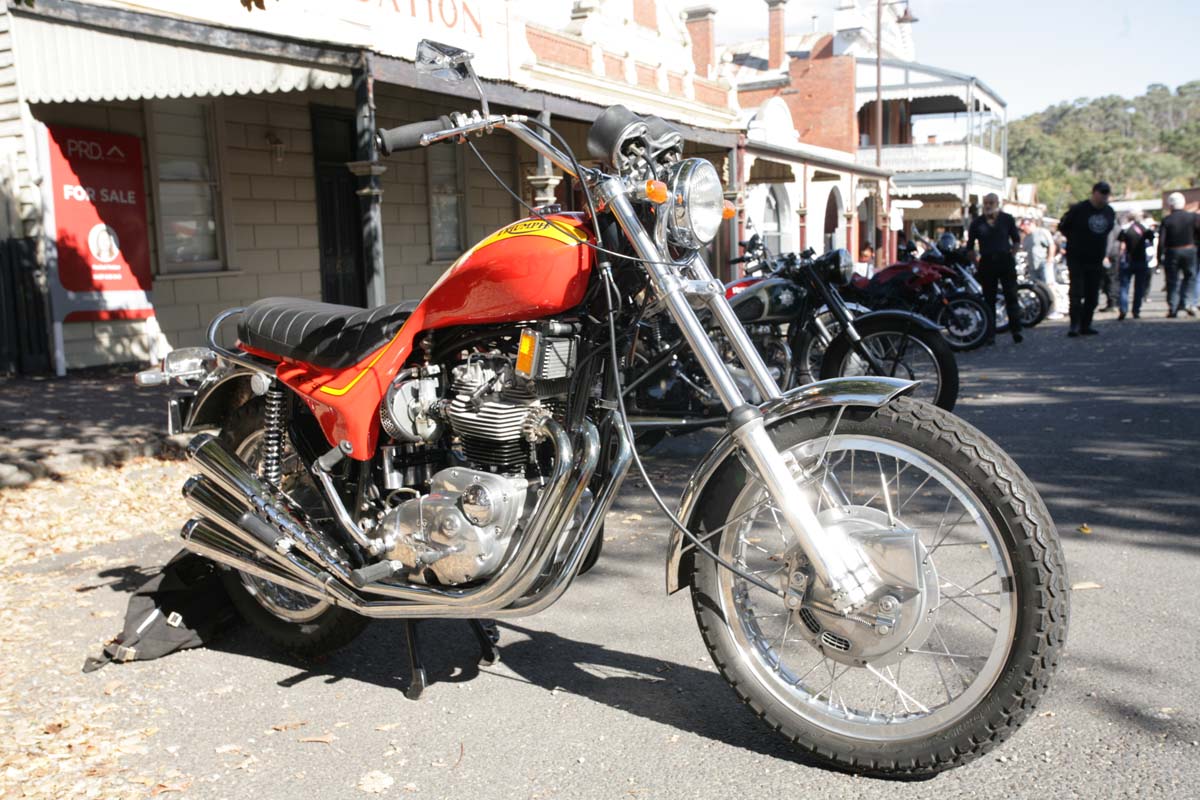
There are always outstanding bikes at the ABR, but few stand out more than Triumph’s X-75 Hurricane.
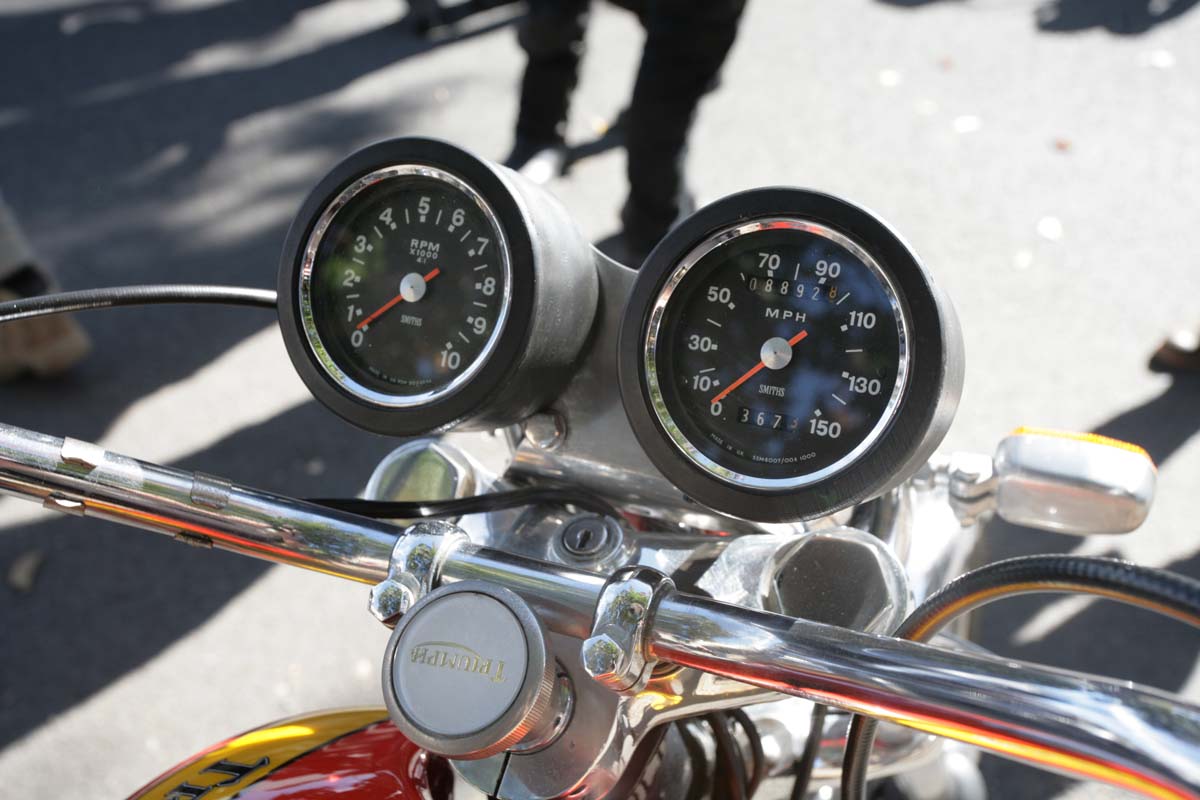
While it was badged and sold as a Triumph, the Hurricane was conceived as a BSA project, based on the then current Rocket 3 in 1969. The distinctive styling was created by Craig Vetter, under instruction from BSA’s US West Coast importer Don Brown. When Rocket 3 production ended in 1971, the project was transferred to Triumph and eventually came to market in 1973. Only 500 units were intended, all for the US market, but the Hurricane proved to be a minor hit, with around 1,200 examples ultimately produced.
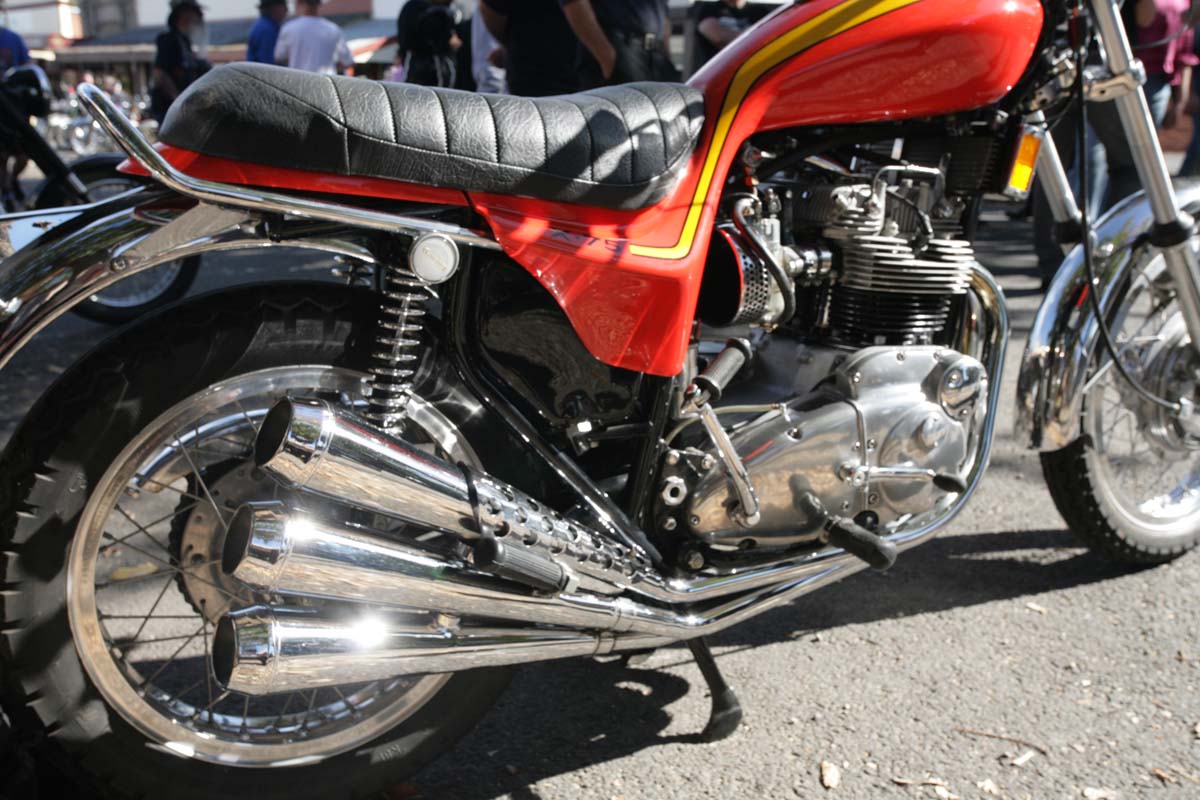
Defining the X-75 Hurricane was its one-piece fuel tank and seat unit, crafted by Vetter from fibreglass (the actual fuel tank was a 10-litre steel unit under the fibreglass). Only one colour was offered – orange with a yellow stripe that contained the Triumph branding on the fuel tank and terminated at the X-75 identification on the sidecovers. Pull-back handlebars, Borrani rims, a model-specific front mudguard and redesigned triple clamps were other visual features.
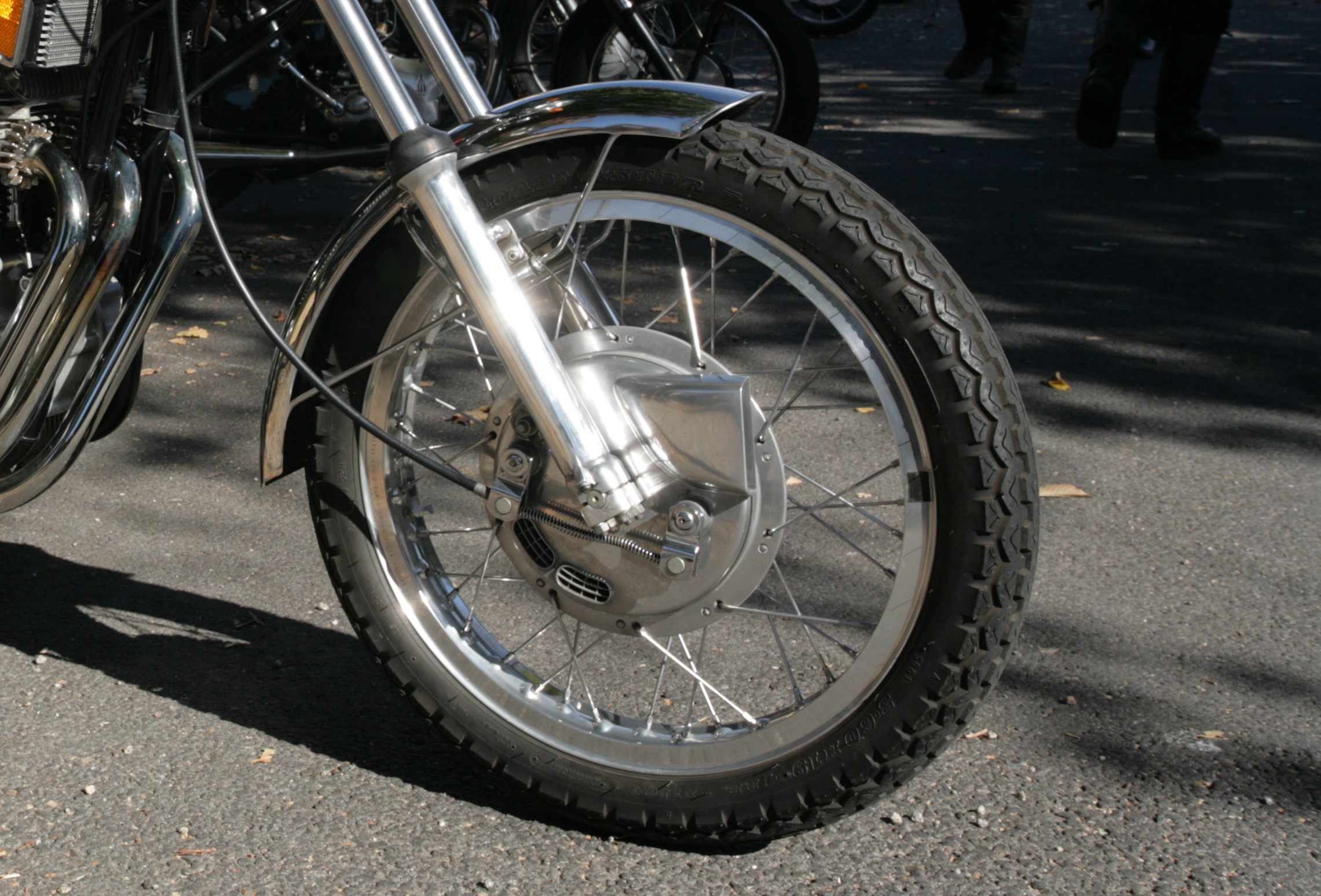
The 740cc triple from the T150V Trident featured extended cooling fins and was canted forward in the frame, BSA-style, while the exhaust layout was unique to the Hurricane. Longer forks gave the Hurricane a chopper look, although this was never Vetter’s intention. What Vetter had intended was a disc front brake instead of drum, but this wasn’t available from BSA at the time. Ironically, a disc front had been introduced when the Hurricane finally reached the market.
For JUST BIKES’ report on the 48th All British Rally, click HERE.